Critical First Aid Actions for Severe Arterial Wounds
Severe arterial wounds require quick thinking, calm actions, and steady care. Fast blood loss can become dangerous within minutes, so knowing the right first aid steps can greatly improve safety until professional medical support arrives. Staying focused and following clear actions can help control bleeding and protect the injured person from further harm.
Recognize the Signs of Arterial Bleeding
Arterial bleeding is usually more severe than other types of bleeding. Common warning signs include:
- Bright red blood flowing rapidly
- Blood spurting in rhythm with the heartbeat
- Large amounts of blood loss in a short time
- Weakness or dizziness
- Pale or cool skin
- Rapid breathing or confusion
Identifying these symptoms early allows faster response and better bleeding control.
Ensure Personal Safety First
Before helping the injured person, make sure the surrounding area is safe.
- Check for traffic, sharp objects, or electrical hazards
- Wear protective gloves if available
- Avoid direct contact with blood whenever possible
- Keep bystanders calm and organized
A safe environment allows first aid efforts to continue without additional injuries.
Apply Immediate Direct Pressure
Direct pressure is one of the most effective methods for slowing arterial bleeding.
Important Steps
- Use a clean cloth, bandage, or clothing material
- Press firmly over the wound
- Maintain constant pressure without lifting the material repeatedly
- Use both hands if necessary for stronger compression
Continuous pressure helps blood clot more effectively and reduces further blood loss.
Elevate the Injured Area When Possible
If no broken bones are suspected, gently raise the injured limb above heart level.
Benefits of elevation include:
- Reduced blood flow to the wound
- Improved pressure control
- Better support for clot formation
Always move the injured area carefully to avoid worsening the injury.
Use a Pressure Bandage
Once bleeding slows, secure the dressing with a firm bandage.
Helpful Tips
- Wrap snugly but not too tightly
- Check that circulation still exists below the bandage
- Watch for numbness or discoloration
- Add extra layers if blood seeps through
Avoid removing soaked dressings. What is the most effective way to stop an arterial bleed when there is no object still in the wound? Instead, place additional material over the original layer.
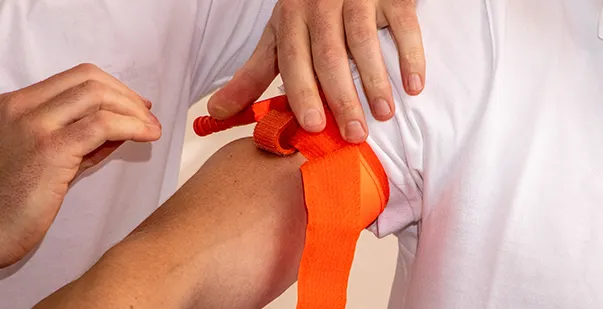
Apply A Tourniquet If Necessary
A tourniquet may be helpful when bleeding remains severe and uncontrolled.
Correct Tourniquet Placement
- Position it above the wound
- Tighten until bleeding stops
- Secure it firmly in place
- Note the application time if possible
Using a tourniquet correctly can help preserve life during emergencies involving major blood loss.
Monitor For Shock
Heavy bleeding can lead to shock, which requires immediate attention.
Signs of Shock
- Weak pulse
- Cold or clammy skin
- Fainting
- Restlessness
- Rapid heartbeat
To support the injured person:
- Keep them lying down
- Cover them with a blanket or jacket
- Encourage calm breathing
- Avoid giving food or drinks
Comfort and reassurance can help reduce panic and maintain stability.
Seek Emergency Medical Assistance Quickly
Even when bleeding appears controlled, severe arterial wounds still require professional care.
Important actions include:
- Call emergency services immediately
- Provide clear details about the injury
- Continue monitoring breathing and consciousness
- Stay with the injured person until help arrives
Fast medical attention supports proper treatment and recovery.
Knowing how to respond to severe arterial wounds can make a major difference during emergencies. Simple first aid actions such as applying pressure, using clean dressings, monitoring for shock, and staying calm can help control bleeding effectively. Preparedness, confidence, and quick response are valuable tools that support safety and improve outcomes in critical situations.