Selecting the Right Timber for Your Building Project (and Not Regretting It Later)
Pick timber casually and you’ll pay for it twice: once at the yard, and again in repairs, warping, squeaks, or a finish that never quite looks “right.”
I’ve seen gorgeous designs get let down by the wrong species in the wrong place. Timber isn’t just “wood.” It’s a bundle of mechanical properties, moisture behavior, durability quirks, and, yes, visual personality.
The real reason timber choice matters
A lot of people treat timber like a paint color: choose what looks good and move on. That’s backwards.
Durability is the obvious piece, rot, insects, weathering, but the sneakier issues are movement and stability. Wood expands and contracts across the grain as humidity changes, and some species behave like calm professionals while others act like drama queens. That movement can telegraph through finishes, open up joints, or cup your boards when you least want it.
And aesthetics? Sure. Grain, color, texture. But don’t forget that “pretty” can turn blotchy, yellow, or dull depending on species and finish system (and sometimes just because the sun exists).
One-line truth:
Timber is a structural material pretending to be décor—so choose timber materials for your build with the same care you’d give any load-bearing decision.
Softwood vs. hardwood: not a “quality” ranking
If you take one idea from this article, make it this: softwood doesn’t mean weak and hardwood doesn’t mean indestructible.
Softwoods (pine, spruce, fir) tend to be lower density, easier to machine, and generally cheaper. They’re also the backbone of most residential framing for a reason: good strength-to-weight, available in long straight lengths, predictable grading.
Hardwoods (oak, maple, ash, etc.) are often denser and more wear-resistant. That’s great for floors and stairs. It can be annoying when you’re drilling a hundred holes and burning through bits.
Here’s when a quick list actually helps:
– Use softwoods for: framing, studs, joists, roof trusses, sheathing, general-purpose interior carpentry
– Use hardwoods for: flooring, stairs, handrails, cabinetry, benches, high-traffic trim
– Use engineered timber (LVL, glulam, CLT) when: spans get long, loads get serious, or movement control matters more than romance
Look, the “best” timber is the one that behaves in your specific application.
Hot take: climate will bully your timber if you let it
I’m opinionated on this because I keep seeing the same mistake: someone chooses a species because it looked great in a showroom… in a totally different climate.
Humidity swings, heat, UV exposure, and freeze-thaw cycles change what “good timber” even means.
Warm + humid?
You’re fighting moisture uptake and biological decay pressure. Untreated, moisture-sensitive species can swell, cup, and invite fungi. Naturally durable species or properly treated stock earns its keep here.
Hot + sunny?
UV degrades lignin at the surface; finishes break down; color shifts happen. Species with natural oils (teak is the classic) resist weathering better, but you still need a coherent finishing plan unless you’re fine with silvery-grey aging.
Cold + wet (or snowy)?
Dimensional stability and detailing matter as much as species. Water gets into end grain, freezes, expands, and suddenly your “solid” board is checking like crazy. I lean toward durable species, cautious detailing, and end-grain sealing in these environments (it’s not glamorous, it works).
A specific data point, since people love certainty: wood movement is real and measurable. The U.S. Forest Products Laboratory documents that wood is anisotropic, shrinking far more tangentially than radially as it dries, movement that drives cupping and distortion in boards if you don’t respect grain orientation and moisture content (USDA Forest Service, Wood Handbook: Wood as an Engineering Material, FPL-GTR-190).
That’s the nerdy way of saying: your climate determines how hard wood will try to reshape itself.
Structural needs: what’s the load, what’s the span, what’s the consequence?
Some projects can tolerate a little movement and cosmetic imperfection. Structural elements can’t.
When you’re selecting timber structurally, I think in three questions:
- Load path: what carries what, and where does it land?
- Span: how far between supports?
- Service class: dry interior, damp, exterior exposed?
Long spans and heavy loads are where engineered products often win. LVL and glulam give you consistent performance and predictable strength because the defects are distributed and controlled in manufacturing. Solid-sawn can be fantastic, but it’s more variable, knots, grain slope, and moisture history all matter.
Now, this won’t apply to everyone, but if you’re building anything with real liability (decks, balconies, multi-occupancy structures), lean on structural grading and engineering rather than gut feel. Timber is forgiving… right up until it isn’t.
Treated vs. untreated: don’t be romantic about rot
Treated timber exists because fungi and insects are relentless.
Pressure-treated wood uses preservatives to reduce decay and pest attack, which makes it the sensible choice for ground contact, exposed exterior framing, many deck substructures, and other wet-risk zones. Untreated timber can be perfectly fine indoors, or in dry protected locations, and it avoids some chemical concerns people have (fair).
But here’s the thing: “treated” is not one thing. Treatment retention levels and use classes vary by region and standard, and they dictate suitability. A board treated for above-ground use is not a magic wand if you bury it in wet soil.
Also: fasteners. Some treatments are corrosive to standard steel. Use appropriate rated connectors and fixings or you’ll create a failure point you can’t see until it’s ugly.
Budgeting timber: the cheapest board is often the most expensive one
Material cost is only the first number. The real budget includes waste, labor, maintenance, and replacement cycles.
Softwoods usually win on upfront price. Hardwoods often win on surface durability and finish longevity. Treated timber can be more expensive per piece, then saves you money by not turning into compost.
A practical way to think about cost (the way estimators do) is:
– Supply cost: per linear meter / board foot
– Install cost: machining time, predrilling, handling weight
– Defect rate: twist, checking, knots, unusable lengths
– Maintenance cycle: recoating, repairs
– Service life: realistic lifespan in that exposure
I’d rather pay 20% more for timber that installs cleanly and stays flat than “save” money and fight every board.
Sustainable timber: good choices that aren’t performative
Sustainability isn’t just a label; it’s also about using material efficiently and keeping it in service longer.
Reclaimed wood is genuinely strong here. You’re reusing existing material, often old-growth stock with tight grain, and you’re diverting waste. The trade-off is variability: hidden nails, unknown treatments, inconsistent moisture history. Worth it if you’ve got a supplier who knows what they’re doing (and you’ve budgeted extra labor).
Bamboo is fast-growing and renewable, and bamboo flooring can be extremely hard-wearing. Still, bamboo products vary wildly because “bamboo” describes a plant, not a manufacturing standard. Adhesives, strand orientation, and quality control make or break it.
If you want a simple checkpoint, look for credible certification. FSC certification is commonly used to indicate responsibly managed forests. It’s not flawless, but it’s a practical filter.
Species picks that show up again and again (for good reasons)
I’m not loyal to species; I’m loyal to performance. Still, these three come up constantly:
Oak
Strong, durable, visually dominant. Great for floors, stairs, furniture, feature joinery. Takes stain and dye well, though tannins can react with some metals and finishes (plan your system).
Pine
The workhorse. Affordable, widely available, easy to machine. Perfect for framing, general carpentry, and painted finishes. It dents more easily and can be resinous, sometimes charming, sometimes a pain.
Maple
Hard, tight-grained, clean-looking. Fantastic for flooring and cabinetry when you want a smoother modern surface. Can blotch with stains if you rush prep, so finishing needs a bit of care.
You’ll notice I didn’t say “teak everywhere” or “cedar solves everything.” Those species have their place, but budget and sourcing realities matter.
Recognizing quality timber at a glance (and by feel)
If you’re standing in a timber yard, do this before you fall in love:
Check the board for straightness. Sight down the length. Twist and bow aren’t “character,” they’re future labor.
Then look at:
– Grain: straighter grain usually behaves better structurally
– Knots: tight, sound knots are manageable; loose or clustered knots are red flags
– Checks/splits: especially at ends, some is normal, excessive is trouble
– Moisture content: interior joinery wants dry, stable stock; wet wood moves as it acclimates
Moisture content is one of those unsexy details that decides whether your project looks professional in six months. If you can, use a moisture meter. If you can’t, at least buy from a supplier who stores timber properly and understands acclimation.
Keeping timber in good shape (maintenance that actually works)
Maintenance isn’t complicated, but it does require consistency.
Clean timber surfaces periodically with mild detergent and a soft brush. Dirt holds moisture; moisture invites decay and finish failure. Outdoors, watch for water traps, places where leaves pile up, end grain stays wet, or airflow is blocked.
Protective coatings help, but they’re not immortal. Depending on exposure, expect to refresh exterior finishes every few years. Indoors, protect high-wear areas early rather than trying to “fix” them later.
If you spot soft spots, persistent discoloration, or insect activity, don’t wait. Timber problems rarely improve with time.
Timber rewards people who respect it. Choose the species and treatment that match your climate and load demands, buy the straightest stock you can get, and detail it so water doesn’t linger where it shouldn’t. That’s the difference between wood that merely looks good on day one and wood that still feels solid a decade from now.
Gentle Support at Home: Fostering Wellness, Engagement, and Emotional Balance
Creating a nurturing home environment is one of the most meaningful ways to support overall well-being. Gentle support at home encourages individuals to feel safe, valued, and empowered while maintaining independence. Whether supporting aging adults or anyone needing extra care, thoughtful in-home assistance nurtures physical comfort, mental clarity, and emotional harmony. Within this supportive approach, the philosophy reflected by Homewatch CareGivers of Houston Galleria highlights how compassionate care can elevate daily life while honoring dignity and personal choice.
A Foundation for Everyday Wellness
Wellness thrives when daily routines are respected and personalized. Gentle support at home focuses on consistency, patience, and understanding, helping individuals feel balanced and confident in their own space.
Key wellness benefits include:
- Assistance with daily activities that preserves independence
- Encouragement of healthy routines, including movement and rest
- Reduced stress through familiar surroundings and steady support
When care adapts to personal rhythms, individuals often experience improved energy, comfort, and peace of mind.
Encouraging Meaningful Engagement
Engagement is essential for a fulfilling life. Gentle home support creates opportunities for connection, creativity, and purposeful activity, all within a comfortable environment.
Positive engagement may involve:
- Participating in hobbies and interests that spark joy
- Enjoying conversations that promote mental stimulation
- Staying socially connected with family and community
These moments of engagement help sustain motivation, confidence, and a sense of belonging.
Supporting Emotional Balance with Compassion
Emotional balance grows from feeling understood and respected. Gentle support at home emphasizes empathy, attentive listening, and reassurance, fostering trust and emotional stability.
Ways emotional well-being is nurtured include:
- Offering companionship that reduces feelings of isolation
- Providing calm reassurance during daily challenges
- Encouraging open communication and emotional expression
This compassionate presence helps individuals feel secure and emotionally supported every day.
A Holistic Approach to Home-Based Care
Gentle support at home is about more than assistance it is about enhancing quality of life. By blending wellness, engagement, and emotional balance, home-based care becomes a holistic experience that supports the whole person.
A Holistic Approach to Home-Based Care
Home-based care focuses on more than physical support. By combining wellness practices, social engagement, and emotional well-being, it creates a balanced approach that enhances overall quality of life and supports the individual as a whole.
Holistic care principles focus on:
- Respecting personal preferences and routines
- Promoting positivity and encouragement
- Creating a calm, uplifting home atmosphere
When care is delivered with kindness and intention, home becomes a place of renewed strength, comfort, and emotional well-being, empowering individuals to live each day with confidence and grace.
7 Hidden Perks of Going to the Cinema That Netflix Can’t Compete With
Sure, Netflix is super convenient—you can watch in your pajamas, pause whenever you want, and snack without limits. But let’s be honest: the magic of going to the cinema is on a whole different level. There are some obvious perks (hello, giant screen and surround sound!), but there are also some lesser-known reasons why heading to the movies is still totally worth it. Let’s dive in!
- The Big Screen: It’s Not Just About Size
Ever tried watching a blockbuster on your phone? Yeah, it’s not the same. Cinemas pull you into another world with their massive screens. Every detail pops, colors look richer, and you just get sucked right into the story. If you’re searching for the best movie cinemas in Brisbane, you can truly experience films the way they were meant to be seen.
Why it matters:
– You notice details you’d miss at home.
– Directors design movies for the big screen—it’s how they want you to see their work.
– The sheer scale makes everything more intense, from quiet moments to epic battles.
- Sound That Shakes Your Seat
Think your soundbar is good? Wait until you feel the floor rumble during an action scene at the movies. Cinema speakers are next-level—every whisper and explosion is crystal clear and all around you.
What makes it special:
– Audio is perfectly balanced, so you don’t miss a thing.
– You feel the movie—the tension, the excitement, even the silence.
– It’s like you’re right in the middle of the action.
- The Crowd Energy: Laughter, Gasps, and Applause
This is one thing Netflix just can’t give you: the buzz of a real crowd. There’s something powerful about experiencing a movie with a bunch of strangers who are all laughing, crying, or jumping at the same moments.
Why it’s awesome:
– Reactions from the audience make funny scenes funnier and scary scenes scarier.
– You’re part of a group—there’s a sense of connection.
– Every screening feels unique thanks to the crowd.
- Goodbye, Distractions
Let’s be real: watching at home usually means you’re half-watching while scrolling your phone, folding laundry, or answering texts. The cinema forces you to focus on just one thing—the movie.
Cinema helps you:
– Ditch the phone for a couple of hours (a mini digital detox!).
– Avoid multitasking and actually enjoy the film.
– Get way more out of the story and visuals.
Quick List: How the Cinema Helps You Focus
– No chores or side tasks
– No pausing for snack breaks every 10 minutes
– No scrolling through social media mid-movie
- Sneak Peeks and Special Releases
Ever seen a trailer at the movies and thought, “I need to see that!”? Cinemas often show exclusive sneak previews, early releases, or even director’s cuts you can’t get at home right away.
What you’ll love:
– Get the inside scoop on upcoming films before anyone else.
– Experience limited-time releases and special events.
– Sometimes catch behind-the-scenes footage or live Q&As.
- The Ritual: Making Movie Night an Event
There’s something special about the whole “going out to the movies” ritual. Picking a film, meeting up with friends, grabbing popcorn—it all adds to the excitement and helps you escape the day-to-day grind.
The little things that make it fun:
– Buying tickets and picking seats
– Trying new snacks or your favorite candy
– Anticipation as the lights dim and the previews roll
Bonus: The Social Side
– Chatting about the movie afterwards
– Shared laughs and whispers during the film
– Feeling like you’re part of something bigger
- Supporting Local Cinemas & the Film Industry
Netflix doesn’t need your help, but your local theater does. Every ticket you buy helps keep small cinemas alive and supports the whole movie-making ecosystem.
Why it matters:
– Local theaters show indie films you might never find online.
– Your support keeps the art of filmmaking thriving.
– It helps create jobs and keeps your community vibrant.
The Takeaway
Streaming is great, but the cinema offers a totally different experience—one that’s immersive, communal, and just plain fun. Next time you’re torn between hitting “play” at home or heading out, remember: the magic of the movies is waiting for you just down the street.
So grab some friends, buy that popcorn, and enjoy the show—you won’t regret it!
Fast and Reliable Water Extraction Services: Restoring Your Property Safely and Efficiently
Water damage can strike unexpectedly, leaving your property vulnerable and creating stress for homeowners. Acting quickly is crucial, and professional Water extraction vs drying services ensure that your home or business is restored safely and efficiently. By combining advanced equipment, skilled technicians, and proven techniques, these services minimize damage and help you return to normal life faster.
Why Fast Water Extraction Matters
Time is of the essence when water invades your property. Even a few hours of standing water can cause structural damage, mold growth, and health hazards. Fast water extraction helps:
- Prevent permanent damage to floors, walls, and furniture
- Reduce the risk of mold and mildew
- Save time and money on future repairs
Reliable Services for Every Situation
Water extraction is not a one-size-fits-all process. Professionals tailor their approach based on the extent of the damage and the type of property. Key benefits include:
- Comprehensive assessment: Technicians evaluate water sources and affected areas to plan an efficient restoration strategy
- Advanced equipment: Powerful pumps, vacuums, and drying tools remove water quickly while protecting your property
- Expert handling: Trained teams ensure that water is extracted safely without causing further harm to structures or belongings
The Role of Drying in Restoration
After water extraction, proper drying is essential to restore your property completely. Controlled drying techniques remove residual moisture, protecting your home from long-term damage. Benefits of professional drying include:
- Moisture detection: Specialized tools identify hidden damp areas
- Targeted airflow: Industrial fans and dehumidifiers accelerate drying
- Structural protection: Ensures walls, floors, and furniture dry evenly to prevent warping or cracking
Choosing the Right Water Extraction Service
Selecting a trusted and experienced service ensures that your property is restored efficiently and with minimal disruption. Look for providers who offer:
- Quick response times, available 24/7 for emergencies
- Clear communication throughout the restoration process
- Proven track record of safely handling water damage
Peace of Mind through Professional Restoration
Water emergencies can be overwhelming, but reliable water extraction and drying services provide peace of mind. By acting quickly and using modern techniques, these professionals safeguard your property while reducing stress and disruption. Whether it is a minor leak or a major flood, fast and reliable service ensures that your home or business returns to its original condition safely and efficiently.
Conclusion
Prompt action and professional care make all the difference when dealing with water damage. By investing in fast, reliable, and expertly executed water extraction and drying services, you protect your property, prevent costly repairs, and enjoy peace of mind knowing your space is restored safely and efficiently.
To Building Designs Informed By Real-Time Data And Analytics
Building designs informed by real-time data and analytics represent a transformative approach in modern architecture and urban planning. This method integrates dynamic, continuously updated information into the design process, enabling architects and engineers to create spaces that respond intelligently to environmental, social, and economic factors. By leveraging data from sensors, IoT devices, and other digital sources, designers gain a comprehensive understanding of how spaces are used and how they perform over time. This real-time feedback loop not only refines design decisions during the planning and construction phases but also supports continuous improvement throughout the building’s lifecycle. One of the most significant advantages of data-driven design is its potential to enhance sustainability and energy efficiency. By analyzing data on temperature fluctuations, occupancy patterns, lighting levels, and air quality, architects can optimize building orientation, ventilation systems, and materials to minimize energy consumption and reduce environmental impact. Traffic flow, pedestrian movements, noise levels, and pollution data can all inform the design of public infrastructure, transportation systems, and green spaces.

Smart building systems, for example, can adjust heating, cooling, and lighting in response to current occupancy and weather conditions, dramatically improving energy performance and user comfort. Real-time data also enables predictive maintenance, identifying equipment issues before they escalate into costly problems, thereby extending the life of building systems and reducing downtime. Moreover, incorporating real-time analytics into building design fosters greater responsiveness to human behavior and needs. Data on movement patterns, dwell times, and spatial interactions helps designers tailor layouts that promote better flow, accessibility, and safety. For instance, in public buildings or commercial spaces, heat maps generated from foot traffic data can highlight underutilized areas or potential congestion points, guiding modifications that enhance usability and user satisfaction. In workplaces, environmental sensors and occupancy analytics can inform the creation of adaptive workstations and collaborative areas, supporting productivity and well-being.
This approach ensures that developments align more closely with the real-world needs of communities, encouraging inclusivity and resilience. Additionally, integrating data analytics during the early stages of planning can help anticipate future demands, whether due to population growth, climate change, or economic shifts. Ultimately, the fusion of real-time data and analytics with architectural design marks a shift from static, one-size-fits-all solutions toward adaptive, responsive environments. This evolution supports a more collaborative process between designers, developers, and end users, where feedback and performance metrics inform continuous refinement. As technology advances, the accessibility and accuracy of data will further empower professionals to design buildings and spaces that are not only efficient and sustainable but also deeply attuned to the people who use them and try this site. Embracing this data-informed approach paves the way for built environments that evolve in step with the ever-changing rhythms of life. The fusion of real-time data and building design represents a move toward more adaptive, resilient, and intelligent architecture. It empowers professionals to move beyond assumptions and historical trends, embracing a more responsive approach to the built environment.
Expert Craftsmanship And Thoughtful Service Bring Your Dream Home To Life
Transforming a vision into a living, breathing space requires more than just blueprints and materials it calls for expert craftsmanship and attentive, personalized service. When building or renovating a home, the difference between a project that merely functions and one that truly inspires lies in the hands of those who design and execute it. Quality craftsmanship ensures every element, from structural integrity to aesthetic details, is executed with precision and pride. Meanwhile, thoughtful service ensures the journey from concept to completion is as smooth, transparent, and rewarding as possible. At the heart of expert craftsmanship is a dedication to mastery. Skilled professionals bring years of experience, attention to detail, and a commitment to excellence in every cut, joint, and finish. Whether it is hand-built cabinetry, finely laid tilework, or perfectly aligned beams, these elements reflect the work of artisans who treat each project as a unique expression of both function and beauty. The goal is not only to meet technical requirements but also to infuse each home with character and longevity, so that it not only looks stunning on day one but also stands the test of time.
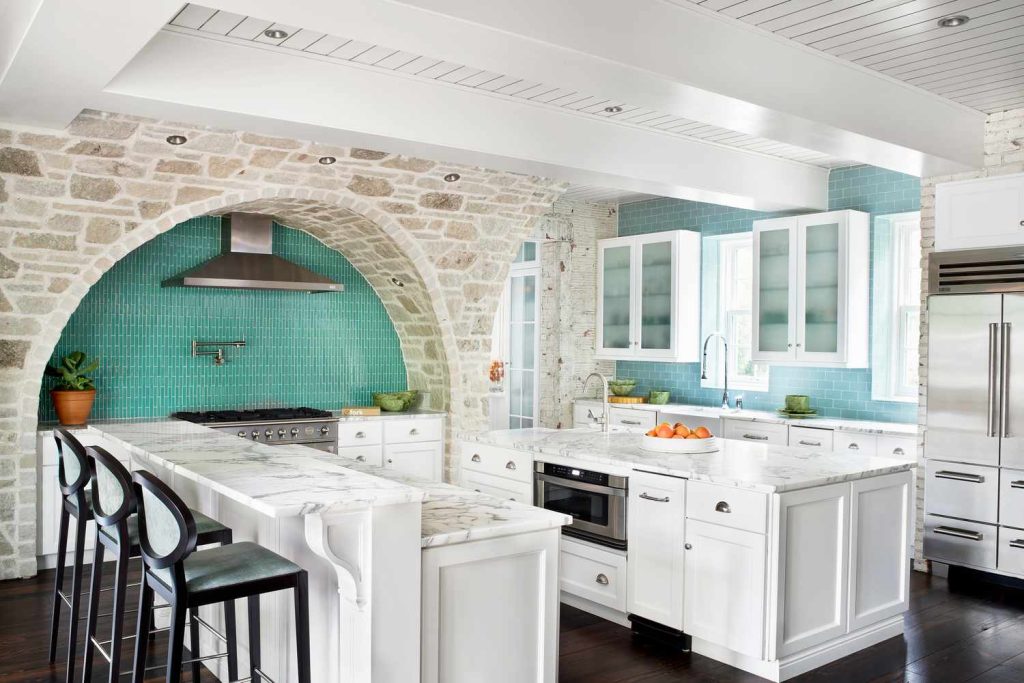
Equally important is the service that guides the process. Thoughtful service is more than just good communication; it is about truly listening to the homeowner’s dreams, understanding their lifestyle, and being responsive to their needs. It means offering guidance where needed, accommodating changes with grace, and always maintaining transparency in terms of budget, timelines, and expectations. The best service professionals see themselves as partners in the creative process. They bring not just their technical skills but also empathy, adaptability, and a problem-solving mindset, ensuring the client feels supported and heard throughout every phase of the build. Collaboration plays a pivotal role in bringing a dream home to life. When clients, designers, builders, and contractors work together with shared respect and open dialogue, it creates an environment where innovation can thrive and potential challenges are addressed proactively and view this additional hints. This kind of partnership turns a complex process into a seamless and even enjoyable experience.
It ensures that the finished home is not a compromise of ideas but a harmonious synthesis that reflects the owner’s taste, needs, and personality. A dream home is more than square footage or impressive finishes it is a space that resonates emotionally, feels intuitive in its layout, and supports the rhythms of daily life. Achieving this requires more than simply following instructions. It demands a deep understanding of what makes a space meaningful to the people who inhabit it. With expert craftsmanship and thoughtful service as the foundation, what begins as a vision on paper can be transformed into a living reality one that is not only beautiful but deeply personal and enduring. In the end, creating a home should be as rewarding as living in it. Through skilled hands and caring hearts, the journey from dream to reality becomes an experience marked by creativity, integrity, and satisfaction. With the right team and mindset, your dream home is not just possible it is inevitable.
Expert Shingle Replacement Services to Restore Roof’s Strength and Protection
When it comes to maintaining the integrity and safety of your home, the condition of your roof plays a pivotal role. Over time, even the most durable roofing materials can succumb to the wear and tear of harsh weather, falling debris, and simple aging. That is where expert shingle replacement services become essential. If your roof shows signs of curling, cracking, missing shingles, or granule loss, it is more than just a cosmetic issue it is a structural concern that can lead to leaks, water damage, and increased energy costs. Professional shingle replacement offers a strategic solution, restoring your roof’s strength and ensuring your home remains protected against the elements. Expert shingle replacement is not just about nailing down new materials; it is a comprehensive process that begins with a detailed inspection. A skilled roofing team will assess the extent of damage and identify problem areas that might not be visible to the untrained eye. This includes evaluating the underlayment and flashing, both of which are crucial in maintaining a watertight barrier.

Once the assessment is complete, the professionals will recommend the best course of action whether it is partial shingle replacement or a more extensive repair. The goal is not only to fix visible damage but to extend the life of the entire roof system. Choosing professionals for this task ensures that the replacement is done to the highest standards. They use top-grade materials designed to withstand the specific weather conditions of your region, from heavy rains to strong winds and UV exposure. Additionally, professional roofers bring years of experience and technical expertise, which helps avoid common installation errors that could lead to future problems. Properly aligned and secured shingles help prevent leaks, improve insulation, and enhance the overall look of your home, click this over here now potentially increasing its resale value. One of the significant benefits of expert shingle replacement is peace of mind.
Homeowners can rest easy knowing that the job has been handled by licensed, insured professionals who follow safety protocols and manufacturer guidelines. Many reputable roofing contractors also offer warranties on both materials and workmanship, providing an added layer of security. This not only protects your investment but also ensures long-term performance and satisfaction. Timely shingle replacement can also contribute to energy efficiency. Damaged or poorly installed shingles can allow heat or cool air to escape, forcing your HVAC system to work harder and increasing utility bills. By restoring your roof with high-quality, properly installed shingles, you improve thermal regulation inside your home, making it more comfortable year-round. Ultimately, expert shingle replacement services offer more than just a quick fix they deliver lasting protection and structural integrity. By addressing minor issues before they become major problems, you preserve the value of your home and avoid costly repairs down the line. Whether your roof has sustained storm damage or is simply reaching the end of its lifespan, turning to professionals for shingle replacement is a wise investment in your home’s future.
The Benefits of Ducted Heat Pumps for a Comfortable and Green Home
Ducted heat pumps have become an increasingly popular solution for homeowners seeking both comfort and sustainability. These systems offer a wide array of benefits that not only improve indoor air quality and comfort but also contribute significantly to reducing the carbon footprint of a home. One of the primary advantages of ducted heat pumps is their energy efficiency. Unlike traditional heating systems that rely on burning fuel or using electric resistance to generate heat, heat pumps operate by transferring heat from the outside air into the home during winter and reversing the process in summer to cool the space. This process requires far less energy compared to conventional systems, leading to lower energy bills. In fact, ducted heat pumps can reduce energy consumption by up to 50% compared to conventional heating and cooling systems, making them an attractive option for those seeking to reduce energy costs.
In addition to being energy-efficient, ducted heat pumps are also environmentally friendly. They use renewable energy sources specifically, ambient air meaning that they emit significantly lower amounts of greenhouse gases compared to fossil fuel-based heating systems. This makes them a key component in efforts to reduce home carbon footprints and meet sustainability goals. Many homeowners are increasingly motivated to install heat pumps as part of their commitment to environmental responsibility and the pursuit of a greener lifestyle. The comfort provided by ducted heat pumps is another compelling reason for their popularity. These ducted heat pump installation systems distribute heated or cooled air evenly throughout the home via a network of ducts, ensuring consistent temperatures in every room. This level of comfort is often superior to that of traditional heating and cooling systems, which may create uneven temperature zones. Moreover, ducted heat pumps also act as dehumidifiers, improving indoor air quality by reducing excess moisture, which can be a cause of mold growth and discomfort.
Beyond comfort and energy savings, ducted heat pumps also offer a high level of convenience. Most systems come with smart technology that allows homeowners to control the temperature of their home remotely via smartphones or other devices. This enables users to adjust settings before they arrive home or throughout the day to maintain the perfect temperature without having to manually operate the system. Finally, the longevity and low maintenance requirements of ducted heat pump make them an excellent long-term investment. With proper care, these systems can last for up to 15–20 years, providing reliable performance with minimal upkeep. This durability, coupled with energy savings and environmental benefits, ensures that ducted heat pumps are a worthwhile addition to any home, offering comfort, convenience, and sustainability in one package.
Illuminate Your Space with a Stylish Bathroom Mirror with Lights
A stylish bathroom mirror with lights is a brilliant way to combine functionality with modern elegance, transforming your bathroom into a space of both beauty and practicality. Lighting is one of the most important elements in any room, and when it comes to the bathroom, a mirror with built-in lights ensures the perfect illumination for your daily routine. Whether you are getting ready in the morning, applying makeup, or preparing for a night out, the right lighting can make all the difference. A mirror with integrated lighting provides even, shadow-free light that highlights your features and reduces the need for additional light sources. One of the key advantages of a bathroom mirror with lights is its sleek, contemporary design. These mirrors are available in a wide range of styles to suit any bathroom aesthetic. From minimalist, frameless designs to mirrors with elegant, ornate borders, there is something for every taste. Many models feature LED lighting, which is energy-efficient and long-lasting, ensuring that you would not have to worry about replacing bulbs frequently.
These lights are often adjustable, allowing you to control the brightness depending on your needs, whether you prefer soft, ambient light or brighter, more focused illumination for tasks like shaving or applying makeup. The practical benefits of these mirrors extend beyond their aesthetic appeal. The built-in lights help eliminate the shadows that can occur when using traditional overhead bathroom lighting. This is especially important in spaces where natural light is limited. Additionally, mirrors with lights can provide a sense of depth and make your bathroom appear more spacious. The soft glow of bathroom mirror with lights can also create a relaxing atmosphere, perfect for winding down after a long day. Some advanced bathroom mirrors come with extra features to enhance the experience. Anti-fog technology is a popular addition, allowing the mirror to stay clear even in steamy conditions.
Others may include touch-sensor controls, which allow you to adjust the lighting or activate other features with a simple tap. Many mirrors are also equipped with smart technology, allowing integration with your home’s lighting system for voice-activated controls or remote adjustments via an app. Investing in a bathroom mirror with lights not only elevates the look of your bathroom but also enhances its functionality. It ensures that your bathroom is equipped for all the tasks you need to complete while offering an upscale, spa-like atmosphere. With the variety of styles, features, and finishes available, it is easy to find the perfect illuminated mirror that suits both your aesthetic and practical needs. Whether you are renovating an existing bathroom or outfitting a new one, this functional yet stylish addition is sure to make a lasting impact on the space.
Transform Walls with Reclaimed Brick Slip Tiles’ Timeless Elegance
Reclaimed brick slip tiles have become a popular choice for transforming interior walls, bringing a timeless elegance to any space. These tiles are made from real bricks that have been carefully sourced from old buildings and repurposed into thin slices, or slips. The result is a product that retains the authentic charm and character of vintage brickwork, yet with the practicality of tile installation. Whether used for an accent wall in a living room, a striking kitchen backsplash, or even a rustic feature wall in a bedroom, reclaimed brick slip tiles create a sense of history and warmth that no modern material can quite replicate. One of the key features of reclaimed brick slip tiles is their versatility in design. Each tile has its own unique texture, color variation, and imperfections that tell the story of its past life. This makes reclaimed brick slip tiles ideal for creating a statement wall, adding depth, character, and a sense of craftsmanship to a room.
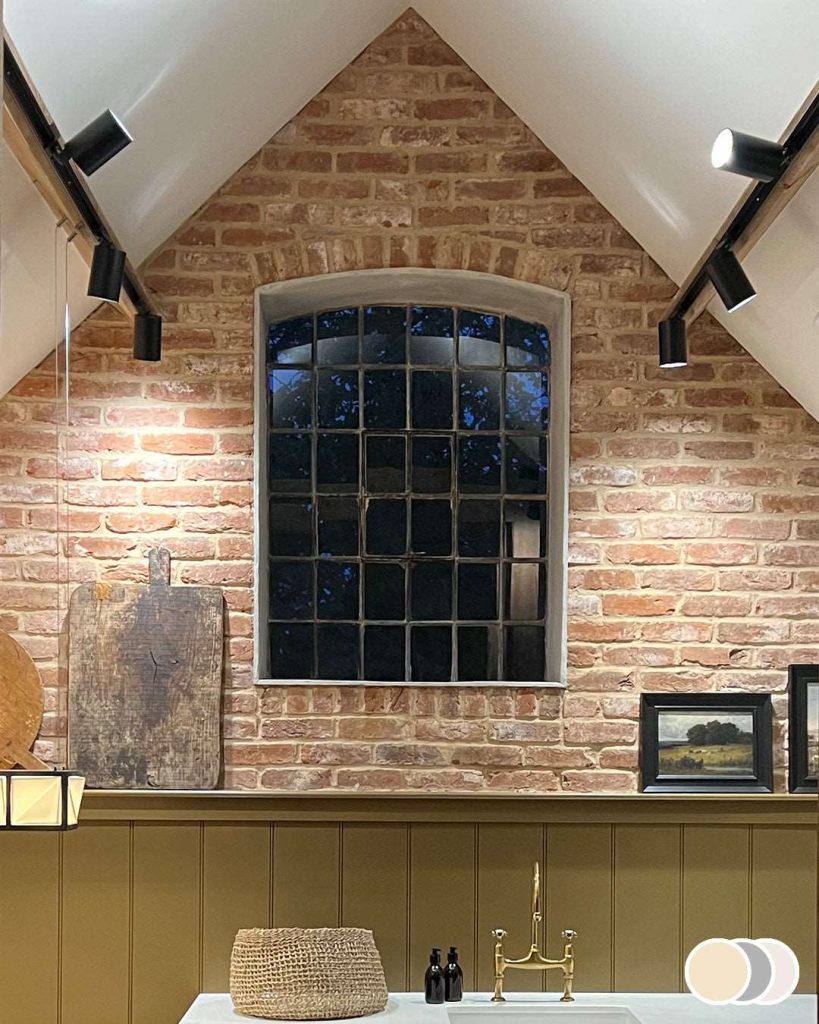
The natural aging process of the bricks gives each tile an individual patina that can range from deep reds and browns to softer, more subtle hues of cream, gray, and beige. These color variations make them easy to pair with a variety of interior design styles, from rustic farmhouse to industrial chic or even contemporary urban. Installing reclaimed brick slip tiles is an efficient way to incorporate the rustic charm of brick without the heavy weight or labor-intensive process of laying full-sized bricks. Because they are thin and lightweight, they can be applied directly to walls with adhesive, making the installation process much quicker and simpler than traditional brickwork. Additionally, these tiles are often more cost-effective than buying and installing full bricks, while still offering a similar aesthetic appeal.
In terms of functionality, Reclaimed Brick Slip Tile is incredibly durable and low-maintenance. The solid nature of the material ensures that the tiles will stand the test of time, while their porous surface makes them suitable for enhancing acoustics in a room. This feature is especially desirable in open-plan spaces, where sound can otherwise bounce around excessively. Furthermore, because they are often treated to remove any dust or residue from their previous use, reclaimed brick slip tiles can be easily cleaned with a damp cloth, keeping them looking pristine for years. Another benefit of using reclaimed brick slip tiles is their eco-friendliness. By reusing materials from old buildings, these tiles help reduce waste and contribute to sustainability efforts. This makes them a great choice for environmentally-conscious homeowners looking to incorporate sustainable design elements into their interiors. Overall, reclaimed brick slip tiles offer an easy and stylish way to enhance any room with a touch of timeless elegance. Their rich history, unique aesthetic, and practical benefits make them an excellent investment for anyone looking to create a space that blends rustic charm with modern functionality.