Controlling Boron Equivalent in Nuclear-Purity High-Carbon Graphite Candidates
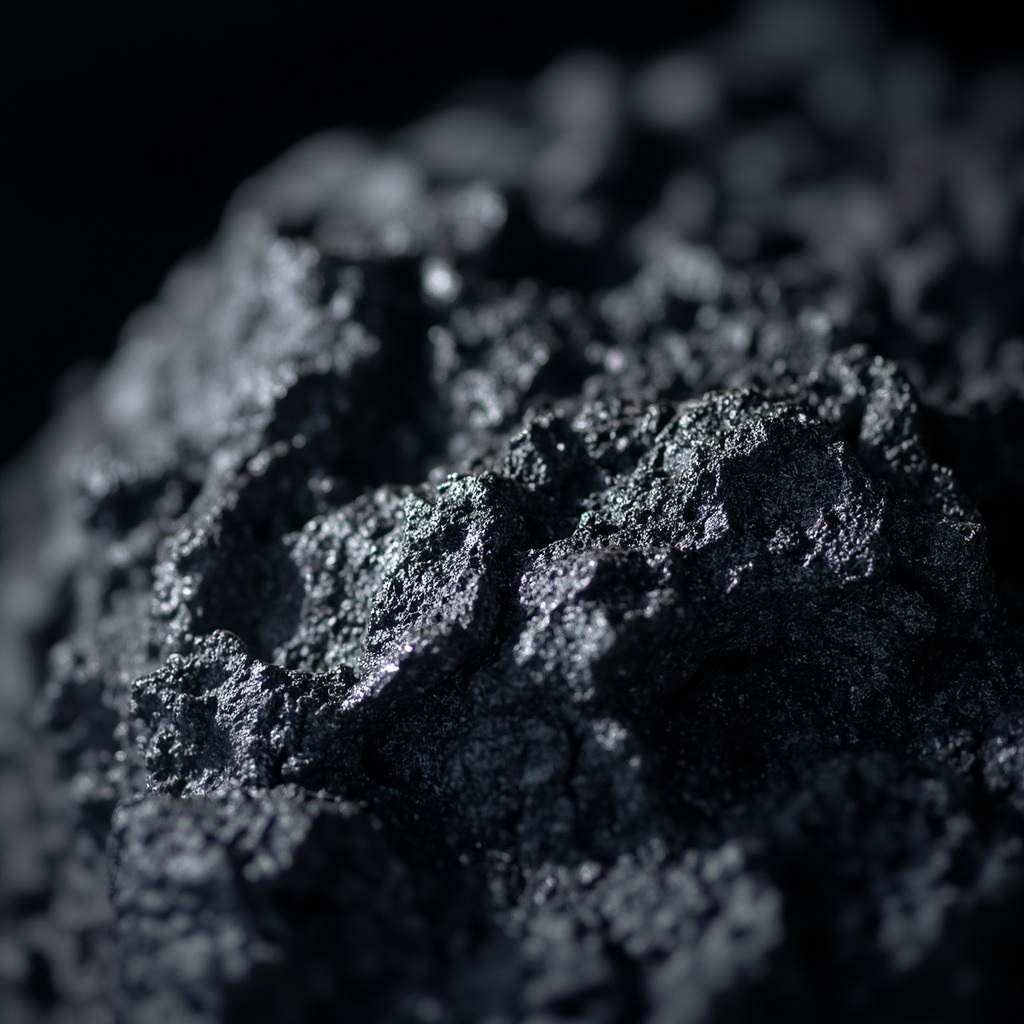 The difference between a viable nuclear moderator and a radioactive sponge is often measured in parts per million. When you are dealing with High-Carbon Graphite destined for the core of a next-generation reactor, the term “boron equivalent” is not just a spec on a datasheet; it is the line between life and death for neutron economy. If your boron equivalent creeps up, your graphite starts stealing neutrons instead of slowing them down. That is not a performance issue. That is a fundamental failure of material science.
Let us cut through the noise. The industry has been obsessed with total ash content for decades, but that is a lazy metric. Ash is a distraction. The real predator is boron. It sits in the lattice, a silent assassin with a neutron absorption cross-section that makes cadmium look polite. A few extra parts per billion of boron, and your reactor core suddenly requires more fuel enrichment to compensate. That cost? It cascades. It bleeds into every downstream process.
So how do you actually control this in candidate materials? You stop relying on “good enough” purification. Standard high-temperature graphitization at 2500 degrees Celsius will drive out most volatile metals, but boron is stubborn. It forms stable carbides. It hides in the grain boundaries. You need a process that targets the boron equivalent specifically, not just the total impurity count.
We have seen too many suppliers offer “nuclear grade” graphite that passes a generic ash test but fails a rigorous boron equivalent calculation. The math is simple: multiply the concentration of each neutron-absorbing element by its absorption cross-section relative to boron, sum it up, and see if you are under the threshold. If your feedstock has even trace amounts of rare earth elements or lithium, you are in trouble. They are not as famous as boron, but their contribution to the equivalent can tip the scales.
Our approach starts upstream. We do not accept generic petroleum coke. We source raw materials with certified low boron and low rare earth profiles before the furnace even ignites. Then, we run a proprietary halogen purification cycle that targets boron carbides specifically. This is not a one-size-fits-all bake. It is a controlled chemical warfare against the boron equivalent, stripping it down to sub-0.5 ppm levels.
The result? A graphite candidate that does not just meet the ASTM standard for nuclear purity; it smashes the boron equivalent ceiling. You get a material that allows reactor designers to push thermal flux higher without fear of parasitic absorption. You get a product that offers consistent neutron transparency batch after batch.
Stop gambling with your neutron economy. Demand a boron equivalent certificate, not just an ash number. If your supplier cannot tell you exactly where their boron levels sit, you are not buying nuclear graphite. You are buying a liability.