Show-stoppers in the Making the Trailblazers of Extravagance Design
Extravagance engineering is not simply the development of rich spaces; it is the specialty of creating encounters, molding ways of life, and setting benchmarks for advancement. At its center, this discipline is driven by visionaries who try to reconsider limits, mixing structure and capability into immortal magnum opuses. These trailblazers of extravagance engineering are modelers and narrators, winding around stories of tastefulness, restrictiveness, and advancement through their manifestations. From the glimmering high rises of metropolitan scenes to the tranquil asylums settled in immaculate nature, extravagance design mirrors the desires of society’s first class while pushing the envelope of what’s conceivable. Planners like Zahra Hadid, whose modern plans transformed smoothness into a trademark, or Blunt Gehry, whose deconstructivist approach reshaped the feel of extravagance, have set guidelines that many endeavor to imitate. Their works rise above buildings, becoming images of yearning and social personality.

Extravagance engineering is not bound to feel; it embraces state of the art innovation, feasible practices, and human-driven plan. Shrewd homes, coordinated with computer based intelligence, rethink comfort, while economic developments guarantee ecological obligation without compromising tastefulness. Consider the eco-extravagance pattern drove by firms like Encourage + Accomplices, where green advancements flawlessly converge with building loftiness. These plans are as much about natural concordance as they are about extravagance. Material choice additionally characterizes the embodiment of extravagance. Intriguing marbles, hand-fashioned metals, and distinctive woodwork are mixed to make spaces that emanate selectiveness. For example, home builders Inner West Sydney the utilization of Calacatta gold marble in confidential manors or the consolidation of custom tailored ceiling fixtures planned by prestigious craftsmans adds layers of refinement.
Everything about organized to portray an account of refinement, from the manner in which daylight channels through far reaching glass boards to the material wealth of custom materials. The trailblazers of extravagance design comprehend that their manifestations are more than simple designs they are heritages. The Burj Al Bedouin, for instance, is not simply lodging yet a worldwide symbol of extravagance. Essentially, confidential bequests in Beverly Slopes or the French Riviera are less about private utility and more about exhibiting unrivaled craftsmanship and individual personality. In this domain, imagination has no limits, and each venture turns into an excursion of development. By consolidating workmanship, science, and creative mind, these modelers are building spaces and forming the fate of extravagance itself. With every magnum opus, they rethink living exceptionally, guaranteeing their dreams rouse ages to come.
Reliable and High-Quality Windshield Repair Services for Your Car
Windshield repair is a crucial service that every car owner should consider when dealing with small chips, cracks, or damages to the windshield. It is essential not to overlook even the smallest of imperfections because if left unattended, they can worsen over time, leading to more costly repairs or even the need for a full windshield replacement. Reliable and high-quality windshield repair services can help extend the lifespan of your windshield while ensuring your safety on the road. The main objective of windshield repair is to restore the integrity of the glass and prevent further damage. When a windshield is chipped or cracked, it weakens the structure of the glass, making it more susceptible to breaking. A reliable repair service will use advanced techniques and high-quality materials to fill the damage, restoring the windshield’s strength and preventing it from spreading. This is particularly important because a cracked windshield can obstruct the driver’s view, posing a significant safety risk.

A high-quality same day windshield repair oakland service typically begins with a thorough inspection of the damage. The technician will assess the size, location, and depth of the chip or crack to determine the best repair method. Not all damages are repairable, especially if the crack is too large or in certain areas of the windshield, such as directly in the driver’s line of sight. In such cases, the technician may recommend a full replacement rather than repair. However, for smaller chips and cracks, skilled technicians can often perform an effective repair that restores the windshield to its original strength. One of the key benefits of choosing a reliable windshield repair service is the use of advanced resin injection technology. In this process, a specialized resin is injected into the crack or chip, which bonds with the glass and helps to stabilize it. Once the resin has been applied and cured, it significantly reduces the visibility of the damage.
While the repair may not restore the windshield to a pristine condition, it will make the damage less noticeable and prevent it from spreading further. Additionally, most repairs are completed quickly, often within 30 minutes to an hour, making it a convenient option for car owners. Another important factor in choosing a high-quality windshield repair service is the technician’s expertise. Experienced professionals are trained to handle a variety of windshield issues, from minor chips to larger cracks. They have the knowledge to assess the damage accurately and perform repairs that ensure the windshield’s structural integrity is maintained. Moreover, they will use high-quality resins and tools that meet industry standards, which are essential for achieving a durable and effective repair. Repairing a windshield is generally much less expensive than replacing it, especially if the damage is minor. In many cases, insurance companies may even cover the cost of windshield repairs with little or no deductible, making it a more affordable solution.
Essential Distillation Equipment for Scaling Up Cannabis Extraction Operations
Scaling up cannabis extraction operations requires investment in high-quality distillation equipment to ensure purity, efficiency, and consistency in the final product. Distillation plays a crucial role in refining cannabis extracts, separating desired cannabinoids and terpenes from unwanted compounds. As operations grow, so does the need for equipment that can handle larger volumes while maintaining product quality. At the heart of any cannabis distillation process is the distillation unit itself, designed to separate compounds based on their boiling points. As the operation expands, the capacity of these units becomes a priority. Larger distillation columns are essential for processing greater quantities of raw extract in a shorter amount of time. These columns facilitate the efficient separation of cannabinoids like THC and CBD from other plant material such as fats, waxes, and chlorophyll. With larger equipment, scalability is enhanced, allowing businesses to meet the increasing demand for cannabis concentrates, distillates, and other products.
Another vital piece of distillation equipment in scaling up extraction operations is the vacuum system. Vacuum distillation allows for the process to occur at lower temperatures, which helps preserve the integrity of sensitive compounds, such as terpenes, which can degrade under high heat. A robust vacuum system helps to lower the boiling point of the target compounds, making the separation process more efficient and preventing the degradation of desirable components. Temperature control is equally important in large-scale operations. Precision heaters and chillers are essential for maintaining the right conditions throughout the distillation process. Variations in temperature can lead to inefficient separations or the loss of valuable cannabinoids. Thus, investing in reliable, accurate temperature regulation ensures that the distillation process remains consistent and effective, especially when scaling up production. Moreover, the integration of automated systems is increasingly important as operations grow.
Automated cannabis distillation equipment systems reduce the need for manual oversight, increasing efficiency, reducing human error, and streamlining workflows. These systems can monitor and adjust parameters such as temperature, pressure, and flow rates in real time, ensuring optimal performance. Automation also allows operators to handle larger batches without a proportional increase in labor, which is crucial for scaling production. Lastly, the collection and storage units for the final distillates are essential. As production increases, having enough storage capacity to handle large volumes of refined product is critical. Proper containment ensures that the distillates remain pure and free from contamination, which is crucial for maintaining product quality and meeting regulatory standards. Investing in the right distillation equipment is key to scaling up cannabis extraction operations. With the right setup, businesses can increase their output while ensuring the purity and quality of their products.
Skilled Welders, Mobile Units No Job Too Tough
At Skilled Welders, we pride ourselves on offering exceptional welding services with a focus on quality, precision, and reliability. Whether you are in need of a minor repair or a complex fabrication, our team of highly trained and experienced welders is equipped to handle a diverse range of projects. With years of expertise across a variety of industries, from automotive and construction to manufacturing and infrastructure, we have built a reputation for delivering results that exceed expectations. Our mobile welding units bring our services directly to your location, ensuring that no job is too tough or too far out of reach. We understand the importance of time and efficiency, which is why our mobile units are fully equipped with all the necessary tools and materials to get the job done quickly and effectively.
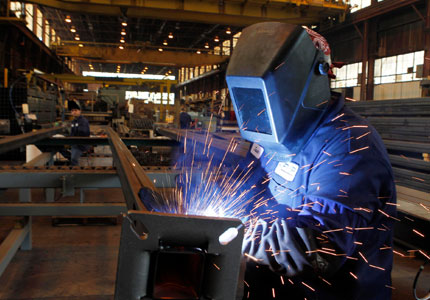
Whether you are dealing with a broken piece of equipment at a job site or need welding repairs on heavy machinery in the field, our mobile units are ready to provide immediate support wherever it is needed. We take pride in the versatility of our services, offering everything from routine maintenance and repairs to custom fabrications and large-scale installations. Our mobile units are equipped for a variety of welding processes, metal contractors welding services including MIG, TIG, stick, and flux-cored welding, ensuring that we can meet the specific needs of each job. In addition to our welding capabilities, we also offer metal cutting, grinding, and finishing services to provide a complete solution to your fabrication needs. One of the hallmarks of our service is our commitment to safety and quality. We adhere to industry standards and best practices, ensuring that every weld we complete is durable, strong, and built to last.
Whether working on a small-scale project or a large, industrial job, we maintain the same level of care and attention to detail, ensuring that the final result meets your specifications and exceeds your expectations. We know that every job is unique, and that is why we take the time to assess each project individually. Our team works closely with clients to understand their needs and provide personalized solutions that fit their requirements. No job is too tough for Skilled Welders whether it is a tight deadline, complex welding process, or remote location; we are ready to meet the challenge. So if you need skilled welding professionals who are up for any job, no matter the difficulty, Skilled Welders is your trusted partner. With our mobile units and expertise, we are here to ensure your project is completed on time, on budget, and to the highest standards of quality.
Gamification Techniques to Elevate the Fundraising Game Today
In the world of fundraising, engaging donors and motivating them to contribute can sometimes be a challenge. However, one innovative approach that is gaining significant traction is gamification. By integrating elements of game design, such as rewards, challenges, and competition, into fundraising efforts, organizations can create a more dynamic and enjoyable experience for their supporters. This not only boosts engagement but can also lead to increased contributions and long-term donor loyalty. One of the most popular gamification techniques in fundraising is leaderboards. Leaderboards display the names of top donors or teams, creating a sense of competition and social recognition. When supporters see their name climbing the ranks or see how their contributions compare to others, they are often motivated to give more to reach the top spot. This healthy competition can encourage donors to not only give but also to share the campaign with their networks in order to rally more contributions. Another effective strategy is the achievement or badge system.

Donors earn badges or unlock achievements based on certain milestones, such as donating a specific amount or participating in a campaign event. These badges can be digital, and many platforms allow organizations to display them publicly, offering social recognition for contributions. This taps into the human desire for recognition and accomplishment, which can drive repeated donations and enhance the overall sense of community. As donors work toward these achievements, they feel more invested in the cause, turning Groupfund text message fundraising for schools into a journey rather than a transaction. Challenges and competitions are also key components of gamified fundraising. Organizing specific fundraising challenges such as a matching gift challenge where one donor pledges to match every dollar raised within a set period creates a sense of urgency and excitement. These challenges can also be thematic, like a run for a cause competition where participants raise funds by pledging to complete a fitness goal. Challenges allow for the creation of mini-goals within a larger campaign, which keeps donors engaged throughout the process.
The element of storytelling, when combined with gamification, can make fundraising campaigns even more compelling. A clear, engaging narrative can turn the act of donating into part of a larger story. For example, donors might participate in a virtual quest where their donations help unlock different parts of the story, revealing how their contributions are making a difference. This immersive experience not only encourages donations but also creates a deeper emotional connection to the cause. Social sharing and peer influence are also key components of gamified fundraising. By encouraging donors to share their involvement on social media, such as posting their badges, achievements, or leaderboard rankings, organizations can amplify their campaigns. This taps into the power of social proof, as people are more likely to contribute when they see their peers doing the same. To facilitate this, gamified platforms can integrate social media sharing options, allowing participants to post updates on their progress and invite others to join the campaign.
Darknet Markets and Abacus – The Future of Secure, Anonymous Online Trade
Darknet markets have long been associated with the exchange of illicit goods and services, operating beyond the reach of traditional law enforcement agencies. These anonymous marketplaces, typically accessed via encrypted networks like Tor, allow users to buy and sell items without revealing their true identities. The allure of darknet markets lies in their promise of privacy and the ability to conduct transactions outside the purview of government oversight, which has made them attractive to both criminals and those seeking privacy in an increasingly surveilled world. However, as the landscape of online trade evolves, new tools and innovations are emerging to facilitate secure, anonymous transactions in ways that could have broader applications beyond illicit activities.
One such innovation is the concept of Abacus a sophisticated privacy and security platform designed to enable anonymous transactions in the digital marketplace. Abacus goes beyond the limitations of traditional payment methods by using advanced cryptographic techniques and decentralized networks to ensure that both buyers and sellers can engage in exchanges without revealing personal or financial information. Unlike conventional methods, which rely on centralized systems vulnerable to hacks and surveillance, Abacus creates a trustless environment where both parties remain unaware of each other’s identities. This feature makes it a potential game-changer in how we think about online trade.
The future of secure, anonymous online transactions may well lie in the development and integration of such platforms as Abacus, which emphasize privacy while promoting a more open and decentralized approach to commerce. With advancements in blockchain technology, zero-knowledge proofs, and encrypted communication protocols, platforms like Abacus darknet market could reshape the digital economy, offering secure means of trading not only in cryptocurrencies but also in tangible goods and services. This would allow for a marketplace that protects individual freedoms while providing the security necessary to build trust in digital transactions.
However, the widespread adoption of these technologies raises ethical and regulatory concerns. Governments are wary of losing control over financial systems and fear the potential for increased illegal activity, such as money laundering and the trade of illicit substances. As such, the future of secure, anonymous online trade will require balancing innovation with regulation, ensuring that platforms like Abacus can be used responsibly while mitigating misuse. the future of secure, anonymous online trade looks promising, with emerging technologies like Abacus providing users with an advanced, privacy-focused solution. While these innovations could transform digital commerce, it remains to be seen how they will coexist with regulatory frameworks, shaping the future of global online markets.
A Comprehensive Guide to Interpreting Gate Valve Symbol in Diagrams
A gate valve is an essential component in many industrial systems, and understanding its symbol in technical diagrams is crucial for anyone involved in system design, maintenance, or troubleshooting. The symbol for a gate valve in diagrams typically features a specific representation to distinguish it from other types of valves, ensuring that engineers, technicians, and operators can easily interpret the system’s layout. In this guide, we will break down the interpretation of the gate valve symbol and explain its relevance within technical drawings. In piping and instrumentation diagrams P&IDs, a gate valve symbol typically consists of a rectangular or diamond shape to represent the valve body, with additional details indicating the presence of the gate mechanism. The gate itself is often depicted as a solid line within the valve symbol. This design represents a valve that opens by lifting a gate or wedge out of the flow path, which is essential for allowing or stopping the flow of fluid or gas through a pipe.

Gate valves are characterized by their ability to provide a fully open or fully closed state, making them ideal for isolating sections of a system. The key aspect of interpreting the symbol is understanding that a gate valve is not typically used for throttling or regulating flow, as its design allows for minimal interference with the flow when fully open. This distinguishes it from other valve types, such as ball or globe valves, which can be used for controlling flow rates. When interpreting a gate valve in a diagram, it is important to recognize that its primary function is to either start or stop flow, not to modulate it. The position of the gate within the symbol may also indicate the valve’s open or closed state. In many instances, the gate valve symbol is drawn with a vertical line across the rectangle or diamond, which would indicate the closed position. Alternatively, the absence of the line or a shift in the orientation of the symbol may indicate that the valve is open.
Sometimes, additional markers, such as arrows or text annotations, are included to further clarify the status of the valve in a given system. Additionally, gate valves are often illustrated with more details in certain applications. For instance, a handwheel may be added to the diagram to show that the valve is manually operated, or an actuator symbol may be included if the valve is automated. Understanding these modifications helps identify the valve’s control method, which is important for operations in larger systems where automation and remote control are common. The gate valve symbol may also be modified depending on the standards used in the diagram. For instance, while some symbols use a simple line or rectangle to represent the gate valve body, others might use a more intricate design to show additional details like the valve’s pressure class, material composition, or whether it is a rising stem valve indicating that the stem moves when the valve is operated or a non-rising stem valve where the stem remains stationary while the valve operates.
Quality Printing Solutions Using Hot Foil Stamping Machines
Hot foil stamping is a printing method that produces vibrant and durable designs, offering a touch of luxury and professionalism. Hot foil stamping machines are essential tools in the printing industry, particularly for high-quality branding on products, packaging, and publications. By using heat, pressure, and metallic foils or colored films, these machines transfer designs onto various surfaces like paper, leather, and plastics. This process allows businesses to create products with an eye-catching appearance, which enhances their value and appeal. The quality of printing with hot foil stamping machines lies in their ability to produce crisp, clean lines and intricate details that are not achievable with other printing techniques. Foil stamping machines can apply metallic, matte, or glossy finishes to designs, adding a unique tactile and visual quality. The materials used in hot foil stamping are highly durable, meaning the printed designs resist fading and wear. This quality is particularly important for luxury brands or products that need to maintain their appearance over time.
With hot foil stamping, businesses can create designs that are not only visually appealing but also long-lasting, making them ideal for high-end branding, limited edition products, and special event materials like invitations. One of the primary advantages of hot foil stamping is its versatility. These machines can apply foil to a wide range of materials and textures, making them suitable for a variety of applications. For instance, they are widely used in the packaging industry to add metallic logos and text to product boxes, creating an upscale image that attracts consumers. Similarly, hot foil stamping is popular in the publishing industry, where it is used to create elegant book covers or enhance the spine with metallic accents. Additionally, this printing solution is popular in the fashion and cosmetic industries, where brands use it to create distinctive packaging and labeling that reflects their brand’s identity and high standards. The environmental impact of hot foil stamping is also relatively minimal, which is increasingly important to consumers and businesses alike.
Foil stamping uses minimal inks and does not require hazardous chemicals, which makes it a cleaner option compared to many other traditional printing methods. Some manufacturers of Hot Foil Stamping Machine even offer eco-friendly options, including foils that are biodegradable or recyclable, allowing businesses to maintain quality while being mindful of environmental sustainability. The process of hot foil stamping itself is fairly straightforward but does require skilled operators to achieve the best results. The machine operator first creates a metal die, which contains the design to be stamped. This die is then heated and pressed against the foil, transferring the design onto the material beneath. It is essential to carefully calibrate the machine’s temperature, pressure, and timing to ensure that the design is transferred cleanly and accurately. The ability to work with various materials, add distinctive finishes, and enhance product packaging and branding makes hot foil stamping an ideal choice for businesses seeking a premium look.
Gate Valve Symbol as a Standard in International Engineering Standards
The gate valve is one of the most widely used types of valves in the field of engineering, particularly in fluid systems like water, gas, and oil pipelines. Its symbolic representation in engineering diagrams and schematics is essential for standardizing communication across international borders, ensuring that designs are universally understood, and reducing potential confusion. This gate valve symbol has been adopted as a standard in various international engineering codes and conventions, including the American National Standards Institute ANSI, International Organization for Standardization ISO, and the British Standards BS. The purpose of a standardized symbol is to provide clarity and consistency in conveying information, regardless of the language or location of the engineers involved. The valve’s mechanism typically includes a gate or wedge, which moves vertically to control the flow. The main feature of the gate valve is its on/off functionality, as it is not meant for regulating flow, but rather for isolating parts of a system.

When the valve is fully open, the gate is entirely out of the flow path, minimizing pressure drop and flow resistance. When closed, the gate moves into the flow stream, blocking it entirely. In engineering schematics and piping diagrams, symbols are used to represent the functional aspects of components like gate valves. A gate valve symbol typically consists of a simple representation of the valve’s essential characteristics – a rectangular shape or a wedge that indicates the movement of the gate, and the direction of flow marked by arrows. These visual representations are standardized to ensure engineers from different regions or organizations can easily interpret them. The adoption of standardized symbols, including that of the gate valve, was driven by the need to streamline the design, installation, and operation of engineering systems globally. As pipelines and infrastructure projects become increasingly international, clear communication becomes more critical. When engineers from different countries collaborate on large-scale projects, having a unified set of symbols allows them to understand each other’s designs and specifications without ambiguity.
In some cases, variations of the gate valve symbol may exist depending on the specific system being represented. For instance, a rising stem gate valve may be depicted with an additional line or marker showing the stem’s motion. The distinction between a gate valve and other types of valves, like globe or ball valves, is made clearer through the standardized symbols. Each valve type has its own distinct representation based on its operational characteristics, such as the motion of the closure element or the direction of flow. By using standardized gate valve symbols, engineers are able to quickly identify the correct component for the job, improving the efficiency of the design and construction process. The symbol serves as a shorthand for understanding the valve’s purpose and mechanics, which in turn minimizes the chance of errors during installation or operation. This is particularly important in complex systems where many different types of valves may be used in conjunction with one another.
A New Era of Office Design – Perfecting the Business Room Salon
The modern workplace is undergoing a profound transformation, driven by the evolving needs of employees and the ever-changing dynamics of business. As organizations seek to foster collaboration, creativity, and well-being, the concept of the office is shifting from traditional cubicles and sterile environments to vibrant, multifunctional spaces. Central to this evolution is the business room salon a versatile area that embodies the essence of contemporary office design. A business room salon is not just a meeting space; it serves as a multifunctional hub that encourages interaction, brainstorming, and innovation. Unlike conventional conference rooms that often prioritize formality over comfort; a salon-style space is designed to facilitate open communication and collaboration among team members. These rooms are characterized by flexible seating arrangements, allowing for both formal presentations and informal discussions. This adaptability caters to the diverse needs of modern teams, whether they are engaging in strategic planning, creative brainstorming, or casual catch-ups.

Incorporating elements of biophilic design is crucial for creating a welcoming atmosphere within the business room salon. Natural light, greenery, and organic materials contribute to a sense of well-being and connection to nature. Large windows and open layouts not only enhance the aesthetic appeal but also promote productivity by reducing stress levels and improving mood. Furthermore, the integration of acoustic solutions helps to manage noise levels, ensuring that conversations can occur without interruptions, which is vital for maintaining focus and creativity in collaborative environments. Technology also plays a significant role in the design of these spaces. The seamless integration of advanced audiovisual systems, video conferencing tools, and collaborative software ensures that teams can connect effortlessly, regardless of their physical location. This technological framework enhances communication and enables remote team members to participate actively in discussions, making the business room salon a truly inclusive environment.
The furnishings and decor within the business room 풀살롱 contribute to its overall ambiance. Comfortable, ergonomic seating and modular furniture allow for easy reconfiguration to suit different activities. Color palettes that incorporate warm, inviting tones can inspire creativity and foster a sense of belonging among team members. Additionally, art and personal touches can be integrated into the design, reflecting the organization’s culture and values while creating a unique identity for the space. As organizations recognize the importance of employee well-being and satisfaction, the business room salon emerges as a key component of successful office design. By prioritizing flexibility, comfort, and connectivity, these spaces not only enhance productivity but also contribute to a positive workplace culture. As the future of work continues to evolve, the business room salon stands as a testament to the potential of thoughtful design in shaping the way we collaborate, innovate, and thrive in our professional lives. This new era of office design transcends traditional boundaries, paving the way for environments that inspire and empower individuals to reach their full potential.