How to Use a Multimeter to Test a Relay Safely
A relay is a vital electrical switch used in many systems to control high-power circuits with low-power signals. Testing a relay with a multimeter is a simple and reliable method to ensure proper functioning and prevent system failures. With the right steps, anyone can safely check coil resistance, continuity, and contact operation. This guide explains how to use a multimeter to test a relay safely, helping you diagnose issues quickly while maintaining safe handling practices and accurate readings.
Understanding Relay Testing with a Multimeter
A multimeter helps measure resistance, continuity, and voltage behavior inside a relay. By checking the coil and switching contacts, you can confirm whether the relay is operating as expected. A healthy relay typically shows consistent resistance values and proper switching between normally open and normally closed contacts. This process is widely used in electrical troubleshooting because it is fast, safe, and effective for identifying faulty components before they cause larger issues. Learning how to test relay with multimeter enhances troubleshooting skills.
Safety Preparation Steps
- Disconnect power before starting any testing process to avoid electrical hazards.
- Ensure the relay is fully removed from the circuit for accurate results.
- Set the multimeter to the correct mode based on the test requirement.
- Inspect the relay for visible damage such as burns or corrosion.
Working in a clean and dry environment improves safety and measurement accuracy. Proper preparation reduces risks and ensures reliable readings during testing.
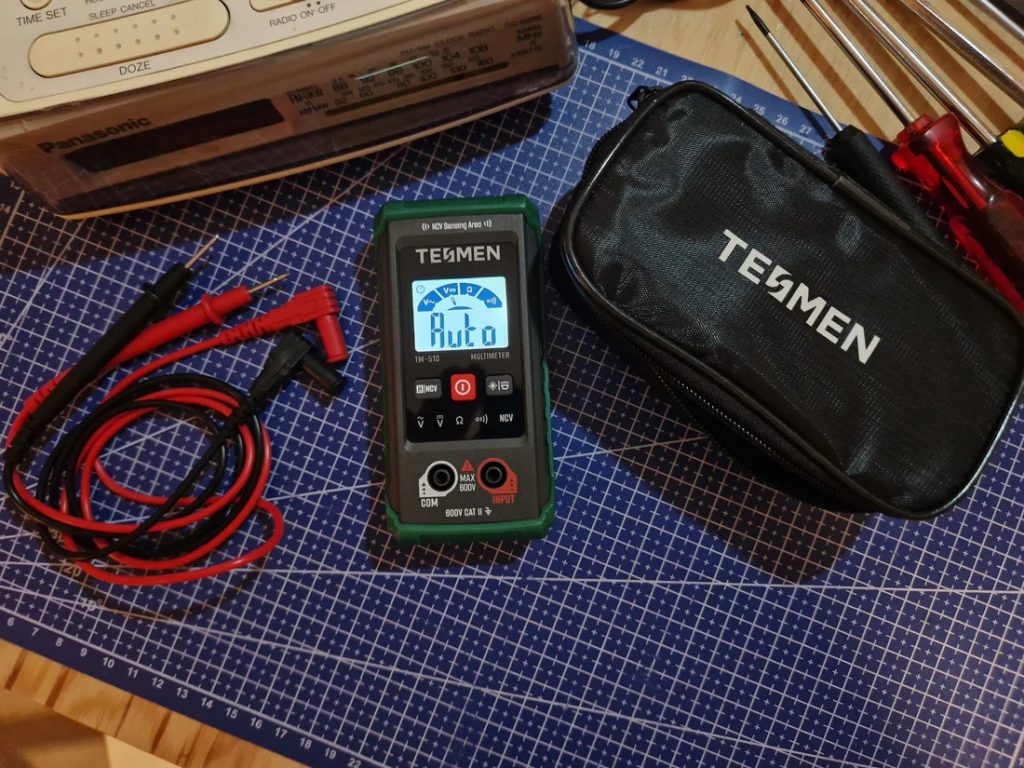
Step-by-Step Testing Process
Begin by setting the multimeter to resistance mode and measuring the relay coil terminals. A stable resistance reading indicates the coil is intact. Next, switch to continuity mode and test the relay contacts. When the coil is not energized, the normally closed contact should show continuity, while the normally open contact should remain open.
Apply a safe activation method if available to energize the coil and observe switching behavior. The contact state should reverse clearly, confirming proper relay operation. Any inconsistent reading may indicate internal wear or failure.
Interpreting Results
If the relay shows correct resistance and smooth switching, it is in good condition. No continuity in the coil suggests a break, while constant continuity may indicate a short. Delayed or inconsistent switching often signals mechanical wear. Clear interpretation helps in quick decision-making and ensures system reliability in future use.
Frequently Asked Questions
- Testing a relay with a multimeter is safe when proper precautions are followed and power is disconnected.
- Normal relay resistance depends on coil design, but stable readings indicate good condition.
- A relay may function inconsistently with partial damage and should be replaced for reliability.
- Continuity testing is important as it confirms correct switching between contacts and ensures safe operation.