Environmental remediation services improve land quality through responsible restoration practices.
Environmental remediation services play a vital role in restoring land that has been affected by contamination, pollution, or industrial impact. These services focus on improving soil health, water quality, and ecosystem balance through structured and science-based restoration methods. By addressing environmental damage at its source, remediation efforts help transform degraded sites into safe, usable, and productive land again. Such efforts not only repair environmental damage but also strengthen community wellbeing and support long-term ecological resilience. This approach ensures that degraded environments are systematically returned to safe and productive conditions.
Understanding Environmental Remediation Services
Environmental remediation refers to the process of removing pollutants and contaminants from soil, groundwater, and surface environments. These services are designed to reduce environmental risks while supporting long-term ecological stability. The approach often begins with detailed site assessment, followed by strategic cleanup and continuous monitoring to ensure sustainable recovery.
Responsible Restoration Practices
Responsible restoration practices are centered on minimizing environmental disruption while maximizing restoration outcomes. These practices ensure that land is not only cleaned but also revitalized for future use. Complete restoration services are explained at https://env-rem.com/san-francisco.
Key principles include:
- Careful environmental impact assessment before intervention
- Use of sustainable and low-impact treatment methods
- Protection of surrounding ecosystems during cleanup
- Long-term monitoring of soil and water recovery
Key Benefits of Environmental Remediation
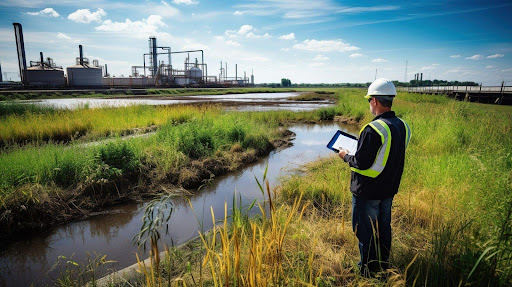
Environmental remediation services offer a wide range of benefits that support both nature and communities.
- Restores soil fertility and improves agricultural potential
- Reduces harmful exposure to toxic substances
- Enhances groundwater quality and safety
- Supports biodiversity recovery in damaged areas
- Enables safe redevelopment of previously unusable land
Modern Techniques in Land Restoration
Advancements in environmental science have introduced efficient and responsible remediation methods that improve success rates while reducing ecological disturbance.
- Bioremediation using natural organisms to break down contaminants
- Soil washing techniques to remove pollutants effectively
- Phytoremediation through plants that absorb harmful substances
- Thermal treatment methods for deep soil contamination
- Containment strategies to prevent further spread of pollutants
Role in Sustainable Development
Environmental remediation services also contribute significantly to sustainable development by aligning land recovery with long-term environmental protection goals.
- Supports responsible urban expansion on previously damaged land
- Encourages circular use of land resources for future generations
- Improves land value and usability for long-term community benefit
- Reduces long-term environmental risks through preventive restoration
Positive Impact on Land Quality
The improvement of land quality through remediation leads to healthier ecosystems and safer communities. Restored land becomes suitable for agriculture, construction, recreation, and natural habitat regeneration. Over time, these services help reverse environmental degradation and promote a cleaner, more sustainable environment for future generations. They also play a key role in creating a safer and more sustainable future through continuous environmental improvement initiatives.
Conclusion
Environmental remediation services are essential for improving land quality through responsible restoration practices. By combining scientific expertise with sustainable methods, these services ensure that damaged environments are restored effectively. The outcome is healthier soil, cleaner water, and renewed ecological balance that benefits both people and nature.