Smarter Vapor Management Solutions for Residential and Commercial Properties
Creating safe, comfortable, and sustainable indoor environments begins with effective building protection. Vapor management plays an important role in maintaining indoor air quality, supporting structural performance, and improving the overall experience of occupants. Both residential and commercial properties benefit from carefully planned solutions that address subsurface vapor movement while supporting long-term building efficiency. With suitable strategies, property owners can establish healthier spaces and maintain dependable environmental conditions.
1. Understanding the Importance of Vapor Management
Effective vapor management helps maintain a balanced indoor environment by controlling unwanted vapor movement from beneath building foundations. A proactive approach supports several valuable property benefits, including:
- Improved indoor air quality: Appropriate control measures help maintain cleaner and more comfortable indoor spaces.
- Enhanced occupant comfort: Consistent environmental conditions contribute to pleasant everyday living and working experiences.
- Long-term property protection: Preventive systems support building durability and dependable performance.
- Better environmental planning: Early assessments help identify suitable protection methods for individual building requirements.
- Increased building confidence: Well-planned solutions provide property owners with greater assurance about indoor environmental conditions.
2. Smarter Solutions for Residential Properties
Residential buildings require practical vapor management approaches that support comfortable living environments. Homeowners can benefit from integrated protection methods designed around foundation conditions, construction features, and ventilation requirements.
Important residential strategies include:
- Installing suitable vapor barriers beneath foundation structures.
- Evaluating soil conditions before selecting protective systems.
- Maintaining effective ventilation throughout indoor spaces.
- Using durable sealing materials around foundation openings.
- Scheduling routine inspections to maintain consistent system performance.
These measures encourage healthier indoor surroundings while supporting the long-term condition of residential structures. Homeowners exploring additional guidance can click here to learn about useful approaches and understand how suitable vapor control measures contribute to property protection.
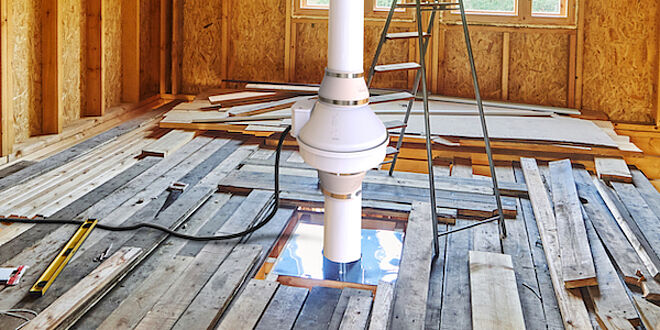
3. Advanced Approaches for Commercial Buildings
Commercial properties often feature larger floor areas, different occupancy requirements, and complex structural designs. Consequently, effective vapor management requires coordinated planning and carefully selected technologies.
Several practical approaches can strengthen commercial building performance:
- Subsurface depressurization: Designed systems help redirect unwanted vapor movement away from occupied areas.
- Protective membrane installation: Appropriate barriers create an additional layer of defense beneath building surfaces.
- Foundation sealing: Carefully treated joints and openings support effective environmental protection.
- Continuous monitoring: Regular performance evaluations help maintain reliable system operation.
- Integrated ventilation: Proper airflow management supports comfortable and balanced indoor conditions.
Combining these practices creates a dependable foundation for commercial property maintenance and environmental responsibility.
4. Building Long-Term Value Through Preventive Maintenance
Consistent maintenance helps residential and commercial properties preserve the benefits of vapor management systems. A structured maintenance schedule also makes it easier to identify improvement opportunities and maintain dependable performance.
Property owners can strengthen their maintenance routines by:
- Conducting periodic inspections of protective barriers.
- Checking mechanical components for consistent operation.
- Reviewing ventilation performance at planned intervals.
- Maintaining accurate records of inspections and improvements.
- Updating protection strategies when building requirements change.
Conclusion
Smarter vapor management solutions contribute significantly to healthier, more comfortable, and better-protected properties. By combining preventive planning, suitable installation methods, and regular maintenance, property owners can support lasting building performance. Residential and commercial spaces alike benefit from thoughtful environmental protection strategies. Investing in reliable vapor management encourages improved indoor conditions, structural durability, and sustainable property value for the years ahead.