Coordinated Color Palettes Create Harmony Throughout Your Entire Home
A beautifully coordinated color palette brings unity, warmth, and personality to every corner of a home. When wall colors, furnishings, decorative accents, and textiles complement one another, each room feels connected while maintaining its own character. Thoughtful color choices can make interiors appear brighter, more spacious, and more inviting. By balancing shades, textures, and subtle contrasts, homeowners can create an atmosphere that feels comfortable, elegant, and naturally harmonious.
Establish a Consistent Foundation With Neutral Shades
Neutral colors provide a versatile foundation for creating a cohesive interior. Shades of cream, beige, soft gray, and warm white blend easily with different furniture styles and decorative elements. These timeless tones help connect rooms while allowing colorful accents to stand out beautifully.
A consistent neutral foundation also makes it easier to refresh decorations without changing the entire interior.
- Choose complementary neutral shades for connected living spaces.
- Use warm whites to create an airy and welcoming atmosphere.
- Introduce beige tones for a soft, natural appearance.
- Combine gentle gray shades with contrasting textures.
- Maintain visual continuity through similar undertones.
Introduce Accent Colors for Personality
Accent colors bring individuality and energy to coordinated interiors. Carefully selected greens, blues, terracotta shades, or muted yellows can create attractive focal points without disrupting the overall design. Repeating these colors in different rooms helps establish a natural connection throughout the home.
Small decorative details often provide the perfect opportunity to introduce refreshing color combinations.
- Add colorful cushions to neutral sofas and armchairs.
- Display decorative accessories that repeat the main palette.
- Introduce plants for natural green accents.
- Choose artwork that complements surrounding wall colors.
- Incorporate patterned rugs with coordinating shades.
Balance Colors Across Different Rooms
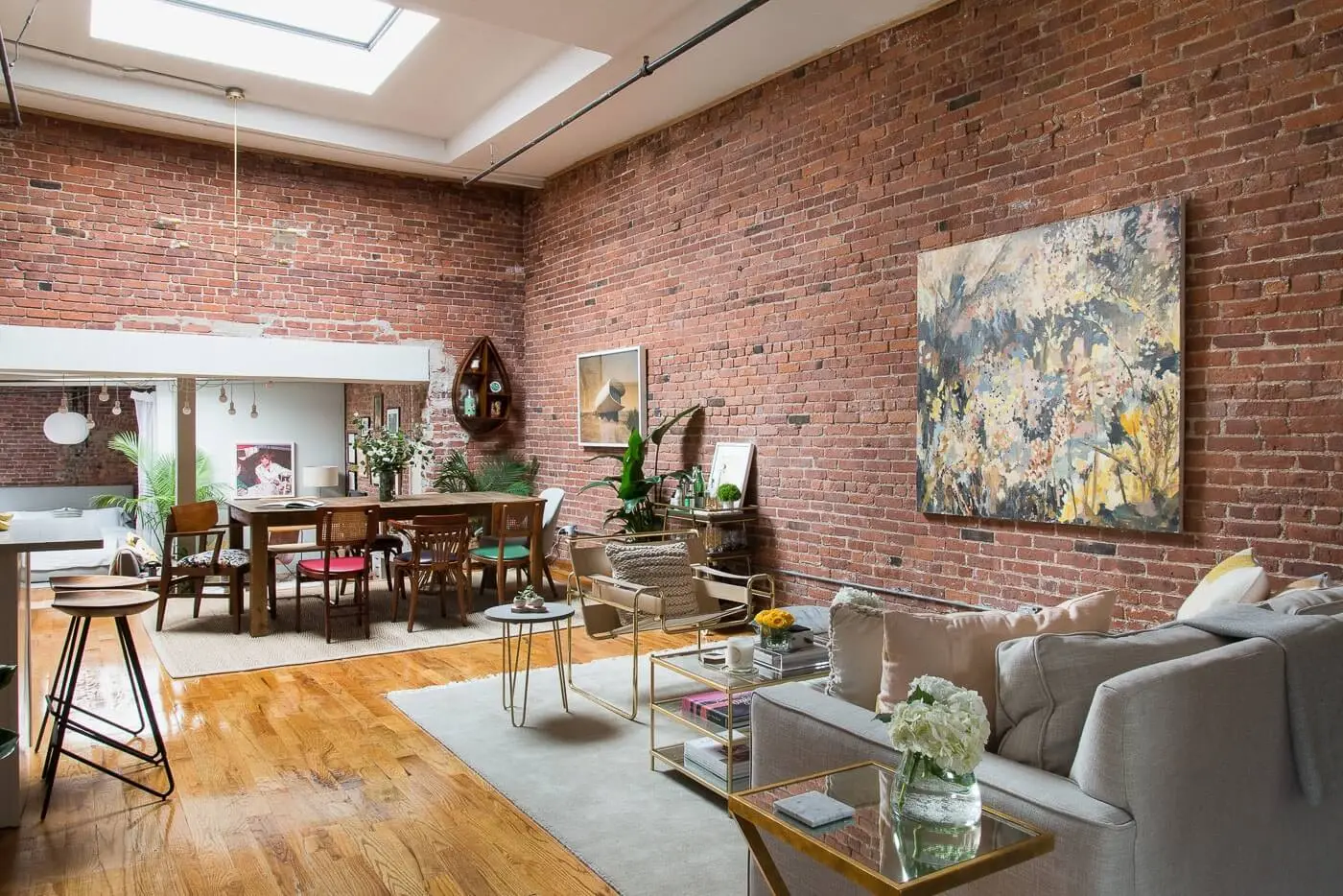
Every room serves a different purpose, yet a shared palette helps the entire home feel thoughtfully designed. Relaxing bedrooms may benefit from gentle tones, while social areas can welcome slightly brighter accents. Connecting these variations through recurring colors creates a smooth visual transition between spaces.
A balanced approach preserves individuality while maintaining an attractive overall appearance.
- Repeat one signature color in several rooms.
- Select related shades for adjoining hallways and living areas.
- Use softer versions of bold colors in quieter spaces.
- Coordinate curtains and upholstery with nearby wall finishes.
- Create visual transitions through complementary decorative details.
Combine Textures to Add Depth
Color coordination becomes more engaging when different textures introduce subtle variation. Natural wood, soft fabrics, woven accessories, smooth ceramics, and textured wall finishes can enrich a palette without requiring additional colors. These materials create dimension and make interiors feel layered, comfortable, and inviting.
Consider incorporating the following elements to enhance visual interest:
- Pair linen curtains with smooth painted walls.
- Combine wooden furniture with soft neutral upholstery.
- Add woven baskets for warmth and texture.
- Introduce textured cushions in complementary shades.
- Use reflective accessories to enhance brightness.
Create Lasting Harmony With Thoughtful Choices
A successful color palette reflects personal taste while supporting comfort and consistency. Before selecting finishes, consider existing furniture, natural light, and the atmosphere desired in each room. Exploring fresh interior inspiration at hauxure.com can encourage creative ideas for combining shades and decorative elements. Ultimately, coordinated colors transform separate rooms into a connected living environment. By choosing complementary neutrals, repeating accent shades, balancing room-specific colors, and incorporating varied textures, homeowners can achieve an inviting interior that feels timeless, expressive, and beautifully unified.