Key Roles Of Overload And Surge Safety Systems
Electrical systems benefit from protection methods designed for different types of power disturbances. Two important approaches are overload protection and surge protection. Although both contribute to safer and more reliable operation, they respond to different electrical conditions. Understanding https://lsp.global/overload-protection-vs-surge-protection/ helps clarify how each method supports equipment, wiring, and overall system performance.
Understanding Overload Protection
Overload protection focuses on excessive current flowing through a circuit for a sustained period. When electrical demand exceeds the circuit’s intended capacity, protective components can interrupt the flow and help prevent excessive heating.
Common overload protection methods include:
- Circuit breakers that disconnect a circuit when current rises beyond its rated level
- Fuses that interrupt excessive current by opening the circuit
- Overload relays that monitor current and respond to prolonged abnormal conditions
- Properly rated wiring that supports safe and dependable electrical operation
These measures help maintain suitable operating conditions while supporting the durability of electrical infrastructure.
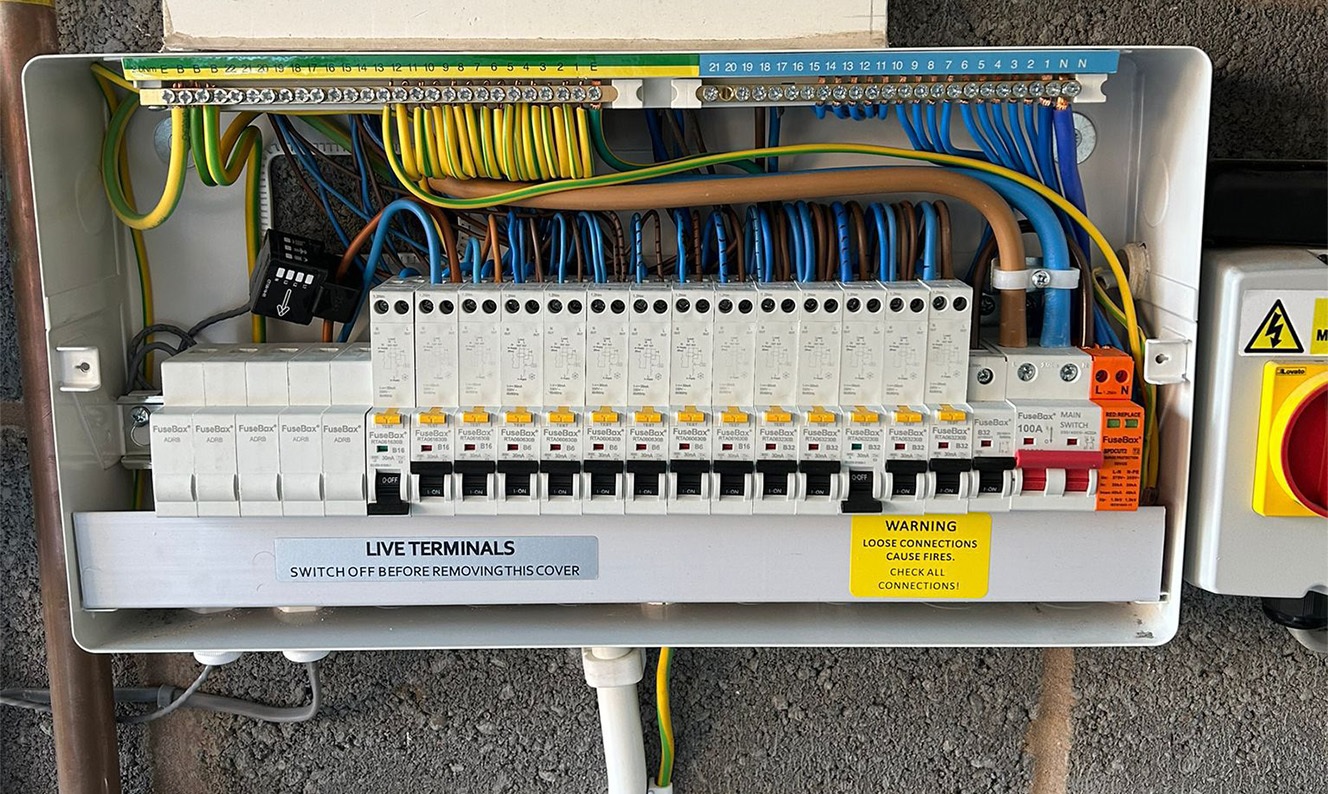
Understanding Surge Protection
Surge protection addresses a different condition: sudden increases in voltage that occur over a short period. Transient surges can arise from events such as lightning activity, switching operations, or changes within an electrical supply system. Surge protective devices help limit these temporary voltage increases before they reach sensitive equipment.
Important advantages of surge protection include:
- Supporting sensitive electronic components
- Limiting transient overvoltage exposure
- Helping maintain dependable equipment operation
- Contributing to longer service life for connected electronics
How The Two Protection Methods Work Together
Overload and surge protection are complementary rather than interchangeable. Overload protection responds primarily to excessive current, while surge protection manages brief voltage transients. Each method therefore addresses a distinct electrical condition and contributes to a more complete protection strategy.
A coordinated approach can provide several practical benefits:
- Better protection for electrical wiring and connected equipment
- Greater operational reliability
- Reduced exposure to different electrical disturbances
- More organized protection throughout an installation
- Improved confidence in everyday electrical performance
Building A Balanced Protection Strategy
Effective electrical protection begins with understanding the characteristics of the installation. Circuit ratings, connected loads, wiring capacity, grounding arrangements, and equipment sensitivity can all influence the appropriate protection approach. Using correctly selected protective devices allows each layer to perform its intended role.
Regular inspection and professional installation can further support reliable operation. When overload and surge protection are considered together, electrical systems can achieve a balanced approach that addresses both sustained current conditions and sudden voltage events.
A Clear Path Toward Reliable Electrical Safety
Recognizing the separate roles of overload and surge protection makes electrical planning easier to understand. Overload protection supports circuit and wiring safety, while surge protection helps shield sensitive equipment from transient voltage events. Together, these complementary methods create a practical foundation for dependable electrical performance and long-term system resilience.