Everything You Need to Know About Car Bumper Types and Functions
Car bumpers are essential exterior components designed to enhance vehicle safety, durability, and overall driving confidence. They serve as the first line of defense during minor impacts while also contributing to aerodynamic efficiency and visual appeal. Modern bumper systems are thoughtfully engineered to balance protection, style, and performance in everyday driving conditions.
What is a Car Bumper?
A car bumper is a structural element located at the front and rear of a vehicle. It is designed to absorb and reduce impact energy during low-speed collisions, helping protect critical parts such as the engine, trunk, and lighting systems. Beyond protection, it also plays a role in improving airflow and supporting sensor-based driving assistance features. You can explore a wide range of quality products in the bumper category at https://sunwayautoparts.com/product-category/bumper/ for better vehicle protection options.
Key Functions of Car Bumpers
Car bumpers offer multiple important functions that enhance safety and convenience:
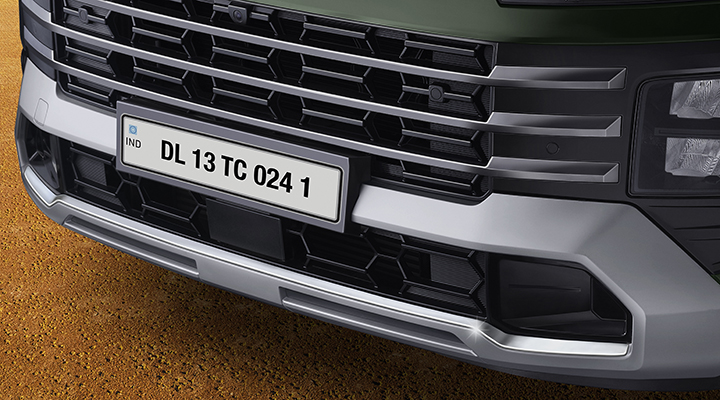
- Impact absorption: Helps reduce damage during minor collisions by absorbing shock
- Vehicle protection: Shields essential mechanical and structural components
- Pedestrian safety: Designed to reduce injury risk in certain impact situations
- Aerodynamic support: Helps streamline airflow for better stability
- Sensor integration: Supports parking sensors and safety assistance systems
- Aesthetic enhancement: Improves the overall look and design harmony of the vehicle
Common Types of Car Bumpers
Several bumper types are used based on design and functionality:
- Standard bumpers: Commonly used for everyday driving, offering balanced protection and style
- Reinforced bumpers: Built for stronger impact resistance and durability
- Modular bumpers: Designed for easy repair and part replacement
- Energy-absorbing bumpers: Engineered with materials that compress under impact
- Integrated bumpers: Combined with lighting and aerodynamic elements for a seamless look
Materials Used in Car Bumpers
Car bumpers are made from a range of advanced materials to ensure strength and flexibility:
- Thermoplastics: Lightweight and impact-resistant for modern designs
- Composite materials: Provide enhanced durability and structural integrity
- Reinforced metals: Offer high strength for added protection
- Foam layers: Help absorb and distribute impact energy efficiently
Benefits of Modern Bumper Systems
Modern bumper systems provide several advantages that improve driving experience and vehicle performance:
- Enhanced safety: Improves crash energy management for better protection
- Cost efficiency: Reduces repair expenses by minimizing damage impact
- Design flexibility: Allows integration with modern vehicle styling
- Smart compatibility: Works with advanced driving assistance systems
- Durability improvement: Enhances long-term performance under stress
Care and Maintenance Tips
Proper care and maintenance of bumper systems help maintain their performance and appearance:
- Regular cleaning: Keeps surface free from dirt and debris
- Inspection routine: Helps identify minor damages early
- Gentle handling: Reduces risk of scratches and cracks
- Protective care: Maintains durability under varying conditions
Car bumpers play a vital role in ensuring safer and more comfortable driving experiences. They contribute to vehicle longevity, reduce repair costs, and enhance confidence on the road. With continuous improvements in design and engineering, bumpers remain a key feature that supports both protection and style in modern vehicles. Their smart construction reflects the importance of safety and innovation in everyday transportation.